
Centralised & Decentralised Systems
Systems
We are surrounded by systems. They shape how we grow, evolve and succeed, whether in our personal lives, companies, or governments. As James Clear, author of Atomic Habits [1], notes,
“You do not rise to the level of your goals; you fall to the level of your systems.”
Intentions are powerful, but without the right structures behind them, they falter, and this truth scales from individuals to society. Good intentions alone cannot create resilient societies. Outcomes are shaped by the systems that distribute information, coordinate decisions and organise power.
Most large-scale infrastructure and governance models organise themselves around either centralised or decentralised structures. These principles can shape organisational hierarchies, infrastructure networks, governance models, and digital technologies. In practice, most systems exist somewhere between the two extremes.
Centralised systems
Centralised systems organise decision-making through a single authority or control point. Governments, traditional corporations, and large technology platforms often operate this way. Centralisation can improve coordination, speed and consistency across entire networks. However, it also creates dependencies. When a central point fails, the broader system can become vulnerable. A centralised cloud platform may offer efficiency and simplicity, but outages can disrupt millions of dependent services simultaneously.

Figure 1: Representation of a centralised system
Decentralised systems
Decentralised systems distribute authority, infrastructure, or decision-making across multiple participants rather than concentrating control in a single entity. This can improve resilience and reduce dependency on central gatekeepers, but it can also create challenges around coordination, governance, and accountability. An example of this is open-source software ecosystems. They distribute development and maintenance across communities rather than relying on a single vendor. Decentralisation does not eliminate governance; it redistributes it across networks of participants rather than concentrating it within a single authority.
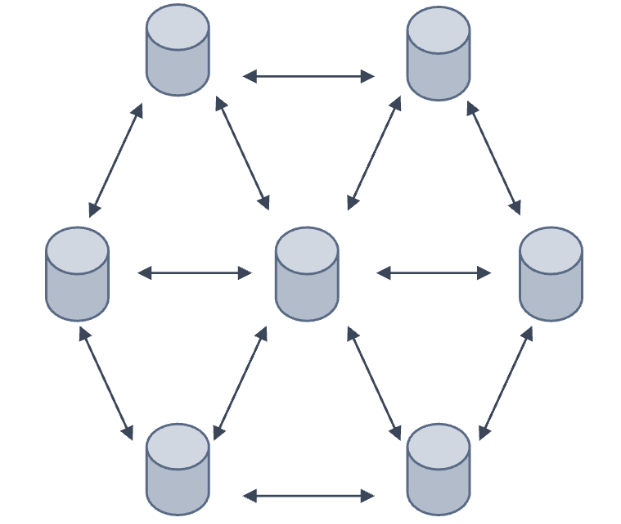
Figure 2: Representation of a decentralised system
Information equality and decentralisation
Centralised systems still dominate governments, corporations, and data structures. They can function effectively, but often rely heavily on singular institutions, platforms or decision-makers. This can create incentives to accumulate disproportionate control over data, infrastructure and participation, shifting leverage away from individuals and communities towards the institutions operating the infrastructure.
The Decentralised Human Architecture (DHA) Foundation supports decentralised models because they can distribute participation, reduce dependency on singular control points, and improve transparency across digital systems. The goal is to create infrastructure that enables individuals, communities, and institutions to participate without surrendering disproportionate control to central intermediaries.
In a world surrounded by centralised structures, the DHA Foundation’s decision to decentralise is deliberate and forward-looking. It is not decentralised for its own sake, but rather a commitment to resilience, transparency, and shared trust, qualities essential to its vision.
The risks of decentralisation are real, but with strong governance and technology, they can be transformed into strengths. By distributing power rather than concentrating it, the DHA Foundation supports systems designed to adapt under pressure, endure over time, and empower participation across society.
References
Clear, James. James Clear. [Online] https://jamesclear.com/quotes/you-do-not-rise-to-the-level-ofyour-goals-you-fall-to-the-level-of-your-systems


